
Avoidant Attachment: Why You Pull Away When Love Feels Real (7 Honest Truths That Change Everything)
Avoidant attachment is one of the most common patterns I see in my work as a relationship coach, and honestly, if you’ve ever noticed yourself pulling away right when love starts to feel real, you’re not imagining it, and you’re definitely not alone. A lot of the time, the early stages of dating feel light, fun, and easy, and you can really enjoy that. But then, as things start to deepen, something shifts inside you.
You might feel the urge to step back, slow things down, or even leave altogether. I’ve worked with many clients who describe this exact pattern. They genuinely want love, but at the same time, they feel a strong need to protect themselves from it. This is what avoidant attachment can look like in real life.
What Is Avoidant Attachment in Relationships?
Avoidant attachment is a pattern where emotional closeness feels uncomfortable. It’s a form of insecure attachment in relationships that affects how you connect, trust, and stay present with a partner.
You may not notice it at first. In fact, you may think you just haven’t met the right person. But over time, a pattern becomes clear.
You get close, then you pull away.
Understanding Attachment Style in Dating
Your attachment style in dating really shapes how you experience relationships, often more than people realize. If you lean toward avoidant attachment, it can show up in small, everyday ways, like:
preferring space over closeness, even when you like someone
feeling overwhelmed when emotions (yours or theirs) start to get deeper
keeping your feelings to yourself instead of sharing them openly
And just to be clear, this doesn’t mean you don’t care. It usually means your system has learned, over time, to associate closeness with a bit of discomfort.
Where Avoidant Attachment Begins
This pattern often starts early on. If your emotional needs were ignored, dismissed, or just not met consistently, you may have picked up beliefs like:
“I have to handle things on my own”
“Feelings aren’t safe to share”
Those beliefs don’t just disappear, they tend to follow you into your adult relationships, shaping how you connect without you even realizing it.
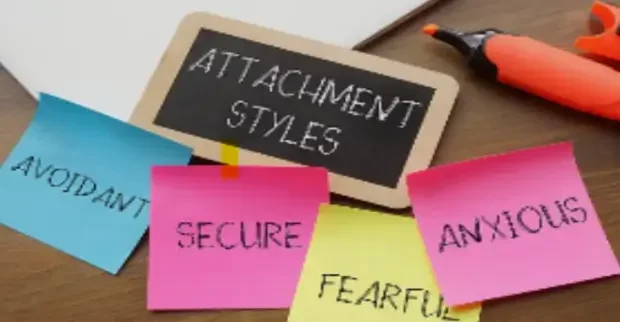
7 Honest Signs of Avoidant Attachment
Recognizing avoidant attachment is the first step toward change. These patterns often show up as valuing independence or pulling away when relationships become emotionally close, even when you genuinely care about the person.
Fear of Intimacy Shows Up Quietly
The fear of intimacy isn’t always obvious or dramatic. Often, it appears in subtle ways, such as avoiding deeper conversations, feeling uneasy when emotional topics come up, or changing the subject when things begin to feel vulnerable. You may enjoy connection on the surface but instinctively step back when interactions move toward emotional depth
You Pull Away When Love Gets Close
One of the clearest signs of avoidant attachment is creating distance when a relationship starts becoming serious. You might feel connected and present at first, then suddenly feel the need for space as emotional closeness increases. This shift can feel confusing, especially when your feelings for the person haven’t actually changed.
You Choose an Emotionally Unavailable Partner or Physically Unavailable Partner
People with avoidant attachment are often drawn to partners who are emotionally unavailable. These relationships can feel safer because they reduce the pressure to be fully open or vulnerable. Without realizing it, choosing partners who maintain distance helps keep emotional risk at a manageable level. Or you are drawn to partners who live in different states or countries so that the infatuation stage lasts longer and they can remain at an emotional distance.
Independence Feels Safer Than Connection
Independence may feel like a core strength, but with avoidant attachment, it can become a protective shield. "Dependence" can sound like a dirty word to you. Family household chores or responsibilities can feel like heavy expectations, like shackles you want to break free from. You may strongly prefer handling things on your own or feel uncomfortable relying on others. Thoughts like believing you don’t need anyone or that relationships demand too much emotional energy can reinforce emotional distance.
Vulnerability Feels Uncomfortable
Opening up emotionally can feel risky or unnatural. Instead of sharing deeper feelings, you may keep conversations light, avoid discussing personal struggles, or minimize your needs. Maintaining emotional control can feel safer than allowing someone to see your full emotional experience.
You Feel Suffocated in Healthy Relationships
Even when a relationship is stable and supportive, closeness can sometimes feel overwhelming. Acts of care or emotional availability from a partner may register as pressure rather than comfort, leading to a desire for more space despite the relationship being healthy.
You Sabotage Love Without Meaning To
Avoidant attachment can lead to unintentionally pushing love away. You might focus on small flaws, create unnecessary conflict, find a reason not to trust, go on a big trip away when closeness is quickening, or emotionally withdraw when things are going well. These behaviors often develop as protective responses, helping you avoid vulnerability while also making lasting connection harder to maintain.
Fearful Avoidant Attachment Explained
Not all avoidant attachment looks the same, and this is where it can get a little more complicated.
The Push-Pull Dynamic
With fearful avoidant attachment, there’s often a real inner conflict going on. Part of you wants closeness and connection, but another part of you feels scared of it at the same time.
That push-pull can show up like this:
feeling really intense attraction at first, and then suddenly wanting to pull away
going through emotional highs and lows in the relationship
feeling confused about what you actually want
It can feel like you’re stuck in this in-between space, wanting love, but also feeling afraid of it at the same time.
How Avoidant Attachment Affects Your Relationships
Avoidant attachment doesn’t just influence your thoughts—it shapes how you show up in every stage of a relationship. Over time, these patterns can create emotional distance, even when you genuinely care about your partner.
Insecure Attachment in Relationships Patterns
Insecure attachment in relationships can show up in subtle but impactful ways. You may find it difficult to fully trust your partner, feel overwhelmed when emotional needs arise, or avoid difficult conversations altogether. Even when there is a strong connection, these patterns can unintentionally create distance and make closeness feel harder to maintain.
Dating Cycles You Repeat
Your attachment style in dating can create recurring cycles that are hard to break. You might meet someone and feel excited at first, only to become uncomfortable as the connection deepens, leading you to pull away. This pattern can repeat itself until you become aware of it and begin to understand what’s driving the behavior.
.
Why Avoidant Attachment Makes You Pull Away
Understanding this pattern is really what starts to create change.
Emotional Conflict Inside You
At the core of avoidant attachment, there are usually two needs pulling in opposite directions:
the desire for connection
the need for emotional safety
And when those two clash, creating distance can start to feel like the safest option, even if part of you doesn’t actually want that.
Why Love Feels Unsafe
For someone with avoidant attachment, certain parts of relationships can feel more intense than they look on the outside:
closeness can start to feel overwhelming
vulnerability can feel risky
depending on someone can feel uncomfortable
So your system tries to protect you the only way it knows how, by pulling away, even in moments where you actually want to stay.
How to Heal Avoidant Attachment
Avoidant attachment can change with consistent effort. While these patterns may feel automatic, they are not permanent and can shift over time with intention and practice. Healing often starts with small, consistent steps that help you feel safer with emotional closeness and connection.
Awareness and Emotional Safety
Start by noticing your patterns and becoming more aware of how you respond in relationships. Pay attention to when you withdraw and what triggers your fear of intimacy, as these moments often reveal deeper emotional habits. This awareness helps you pause instead of reacting automatically, giving you space to respond in a way that supports connection rather than distance.
Learning to Stay Instead of Leaving
Practice staying present when things feel uncomfortable, even if your instinct is to pull away. You don’t have to open up all at once, small steps matter, and gradual openness can feel more manageable and safe. Over time, choosing to stay engaged during moments of discomfort can help retrain your nervous system to tolerate and even trust emotional closeness.
Building Secure Connection
Choose partners who are emotionally available and consistent, as this creates a safer foundation for growth and trust. It’s important to avoid the familiar pattern of choosing an emotionally unavailable partner, even if it feels comfortable at first. Surrounding yourself with secure dynamics can help reinforce healthier relationship patterns and support long-term change.
Rewriting Your Beliefs
Challenge old beliefs like “I’m better off alone” or “Closeness leads to pain,” as these thoughts often reinforce avoidant behaviors. These beliefs may have developed for protection, but they can also limit your ability to experience meaningful connection. Begin replacing them with more balanced thoughts like “Connection can be safe” and “I can handle emotional closeness,” allowing new experiences to reshape how you view relationships.
What Secure Attachment Feels Like
Secure attachment feels calm, steady, and grounded rather than intense or unpredictable. Instead of feeling the urge to run or shut down, you’re able to stay present and engaged, even when things feel vulnerable.
With secure attachment, you may notice that you feel:
Comfortable with closeness without feeling overwhelmed or losing your sense of self
Able to express emotions openly and communicate your needs more clearly
Safe in connection, trusting that the relationship can handle honesty and vulnerability
More at ease during conflict, without immediately withdrawing or shutting down
Over time, this creates a sense of stability and trust that makes relationships feel supportive rather than stressful. This kind of connection is possible, even if avoidant attachment has been your pattern for years.
Work With Me
If this feels familiar, you don’t have to figure it out alone.
As a relationship coach, I help people understand avoidant attachment, build emotional safety, and create healthier relationships.
You don’t have to keep repeating the same patterns.
👉 Visit https://www.liminalitycoach.com/ to start working toward secure, lasting connection.
FAQs
1. What is avoidant attachment?
Avoidant attachment is a pattern where closeness feels uncomfortable, causing you to pull away when relationships become emotionally deeper.
2. What is fearful avoidant attachment?
Fearful avoidant attachment is when you both want and fear closeness, creating a push-pull dynamic in relationships.
3. Why do I feel the fear of intimacy?
The fear of intimacy often comes from past experiences where emotional closeness felt unsafe or overwhelming.
4. Why do I attract an emotionally unavailable partner?
Avoidant attachment can make emotionally distant partners feel familiar and less overwhelming than fully available ones.
5. How does insecure attachment in relationships affect dating?
It can lead to cycles of connection and withdrawal, difficulty trusting, and challenges with emotional closeness.
6. Can I change my attachment style in dating?
Yes. With awareness and practice, your attachment style in dating can shift toward a more secure and stable pattern.
Moving Toward Real Connection
Avoidant attachment isn’t a flaw, it’s a learned way of keeping yourself safe. What once protected you can now hold you back, especially when you want deeper connection.
The good news? With awareness, patience, and support, you can learn to stay instead of pulling away. That’s where real connection begins.
If this sounds familiar, you don’t have to figure it out alone, start exploring support and guidance at Liminality Coach.
